Advanced laparoscopic and robotic surgery, including sphincter-saving procedures for rectal cancer.
Surgery is performed at allied hospitals equipped with advanced laparoscopy and robotic surgery set-ups. Image is illustrative.
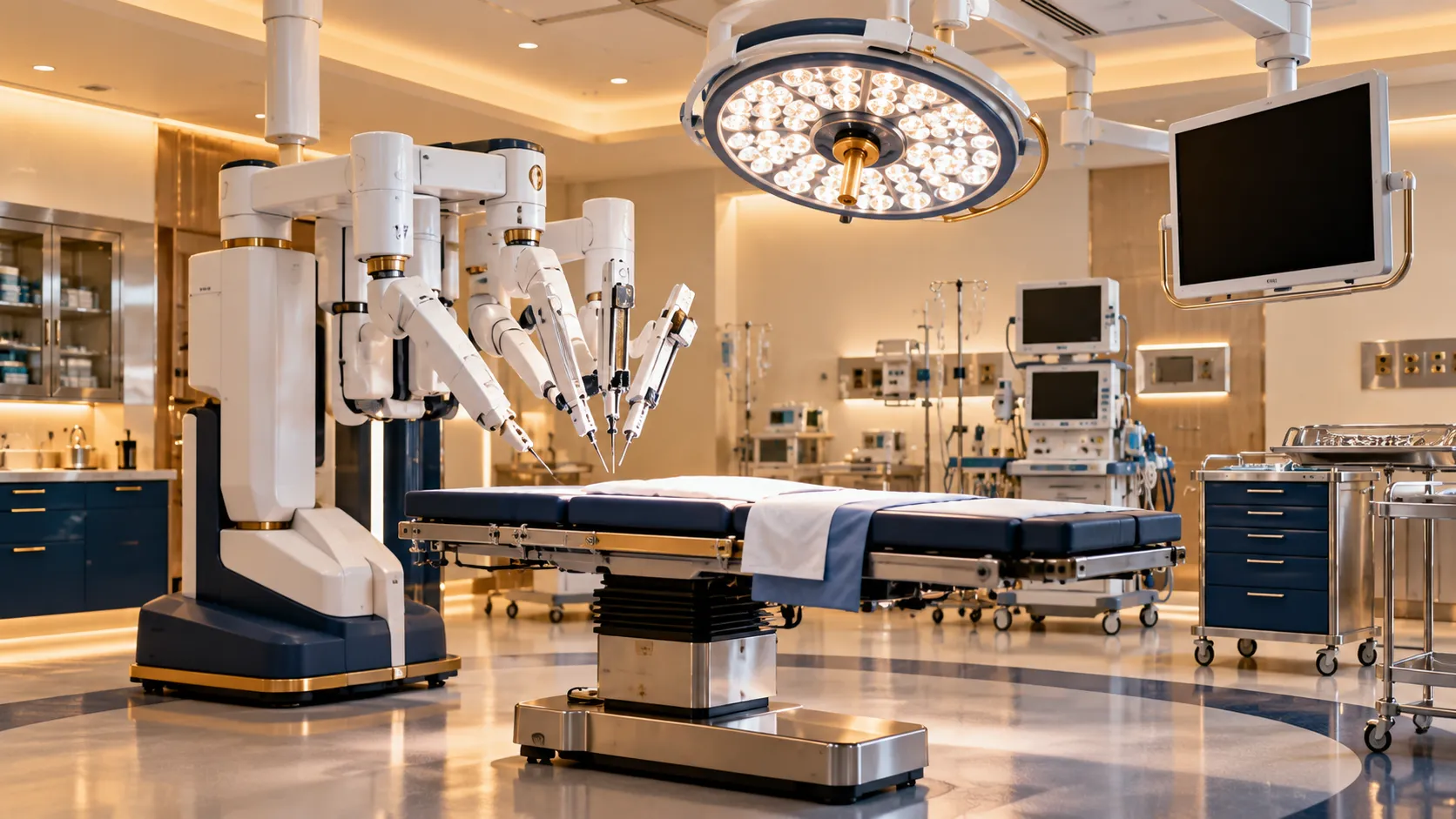
Colorectal cancer treatment at Surabhi Oncology is led by Dr. Venkatachala K, a surgical oncologist with 25+ years of experience and 25,000+ surgeries. He is allied with hospitals equipped with advanced laparoscopy sets and robotic surgery set-ups, enabling minimally invasive options for colorectal cancer surgery. Where possible, sphincter-saving and organ-conservation techniques are used to preserve normal bowel function.
The aim is to remove the cancer completely while protecting the way you pass stool, so life after surgery feels as normal as possible. Surgery, chemotherapy and radiation are coordinated as one treatment plan. The clinic is at Sharavathi Hospital, next to Attiguppe Metro Station in Vijayanagar, Bengaluru.

MBBS, MS, MCh, FMAS, 25+ years of surgical oncology experience, 25,000+ surgeries performed.
View Full Profile →Colorectal cancer is cancer of the colon (large intestine) or the rectum, the last part of the bowel before the anus. The two are grouped together because they are similar, but treatment differs. Rectal cancer sits deep in the pelvis, close to the sphincter muscles, so surgery must protect bowel control as well as remove the cancer. Most colorectal cancers begin as small growths called polyps that slowly turn cancerous over several years.
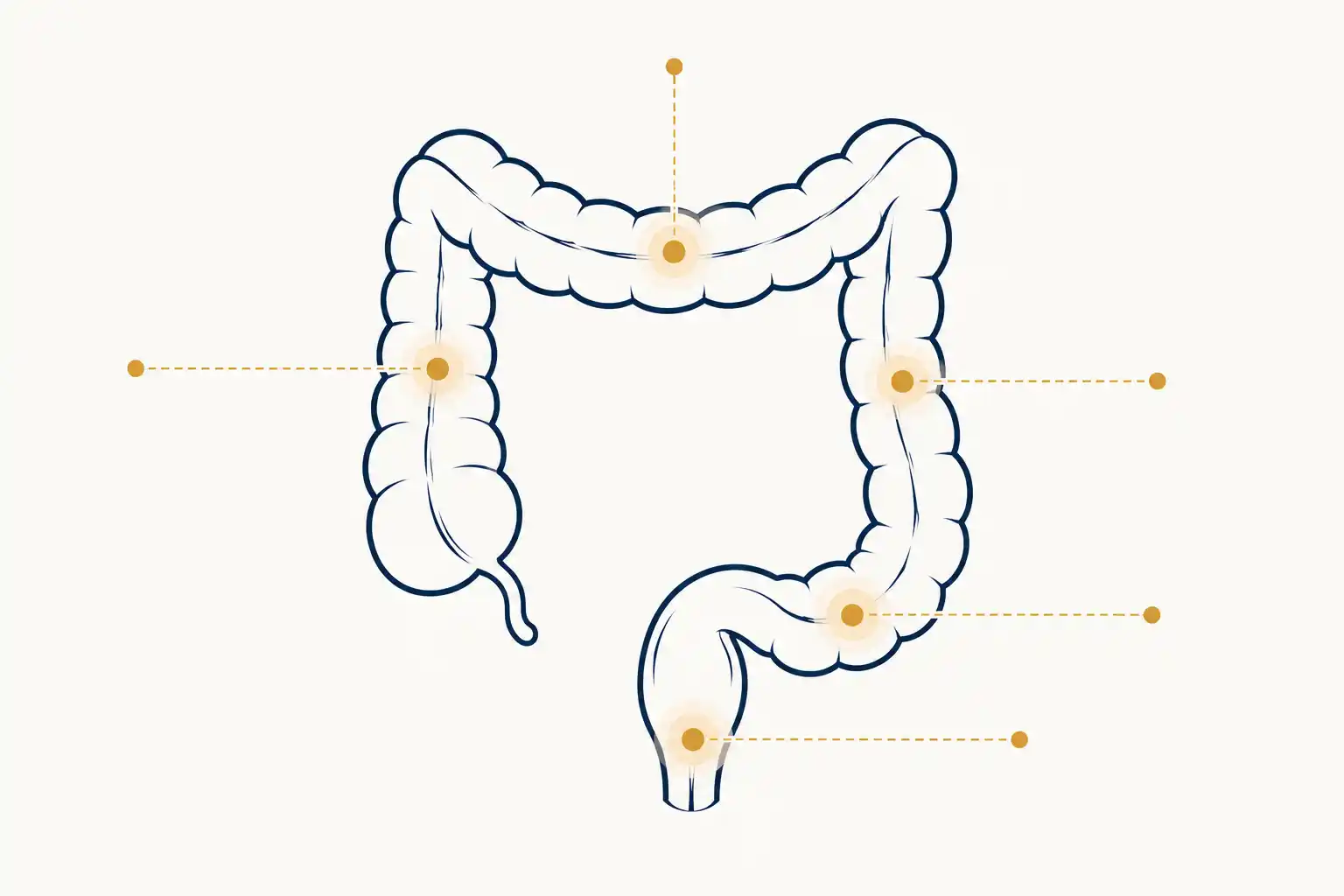
Colorectal cancer often grows slowly and can be found early. It is becoming more common in adults under 50, so new bowel symptoms should never be ignored because of age.
Bleeding is often blamed on piles, but piles and cancer can occur together. Any bleeding or bowel change that persists should be examined by a specialist.
Diagnosis answers three questions: is it cancer, how far has it spread, and which treatment will protect function best. The answers give the stage, and the stage guides the plan.
A thin camera lets the doctor see inside the colon and rectum and take a small tissue sample. The biopsy confirms the diagnosis.
CT scans show the size of the tumour and whether it has spread. For rectal cancer, an MRI of the pelvis shows how close the tumour is to the sphincter and surrounding tissues.
Tests such as haemoglobin and the CEA marker help assess your general health and are used again during follow-up.
| Stage | What it means | Usual treatment direction |
|---|---|---|
| Stage 0 | Abnormal cells only in the inner lining of the bowel, not yet invasive | Removal of the affected area, often with a minor procedure |
| Stage I | Cancer has grown into the bowel wall but has not spread to lymph nodes | Surgery, which is often enough on its own |
| Stage II | Cancer has grown deeper through the wall, with no lymph node involvement | Surgery, with chemotherapy considered based on risk features |
| Stage III | Cancer has spread to nearby lymph nodes | Surgery followed by chemotherapy; locally advanced rectal cancer often has radiation and chemotherapy before surgery |
| Stage IV | Cancer has spread to other organs, such as the liver or lungs | Systemic therapy is the mainstay; surgery is considered case by case |
This table is a general guide only. Every case is different, and your plan is set after a full assessment.
Colorectal cancer is treated with surgery, chemotherapy, radiotherapy, targeted therapy, or a combination. The right plan depends on the site, the stage, the tumour type and your general health. Surgery is the central treatment for most colon and rectal cancers, and at Surabhi Oncology surgery, chemotherapy and radiation are coordinated as one plan.
Removes the tumour with a margin of healthy bowel and the nearby lymph nodes. It can be done through keyhole (laparoscopic) or robotic techniques where suitable.
Uses high-energy rays to shrink a tumour or destroy remaining cells. It is used mainly in rectal and anal cancers, often before surgery in rectal cancer.
Drugs that treat cancer cells throughout the body. It may be given after surgery to lower the risk of return, or before surgery in some rectal cancers.
Medicines that act on specific features of the cancer, or help the immune system fight it. They are used in selected patients based on tumour testing.
Nutrition guidance, pain relief and emotional support to help you and your family through treatment and recovery.
Regular reviews, blood tests and scans, and colonoscopy at planned intervals, to catch any change early.
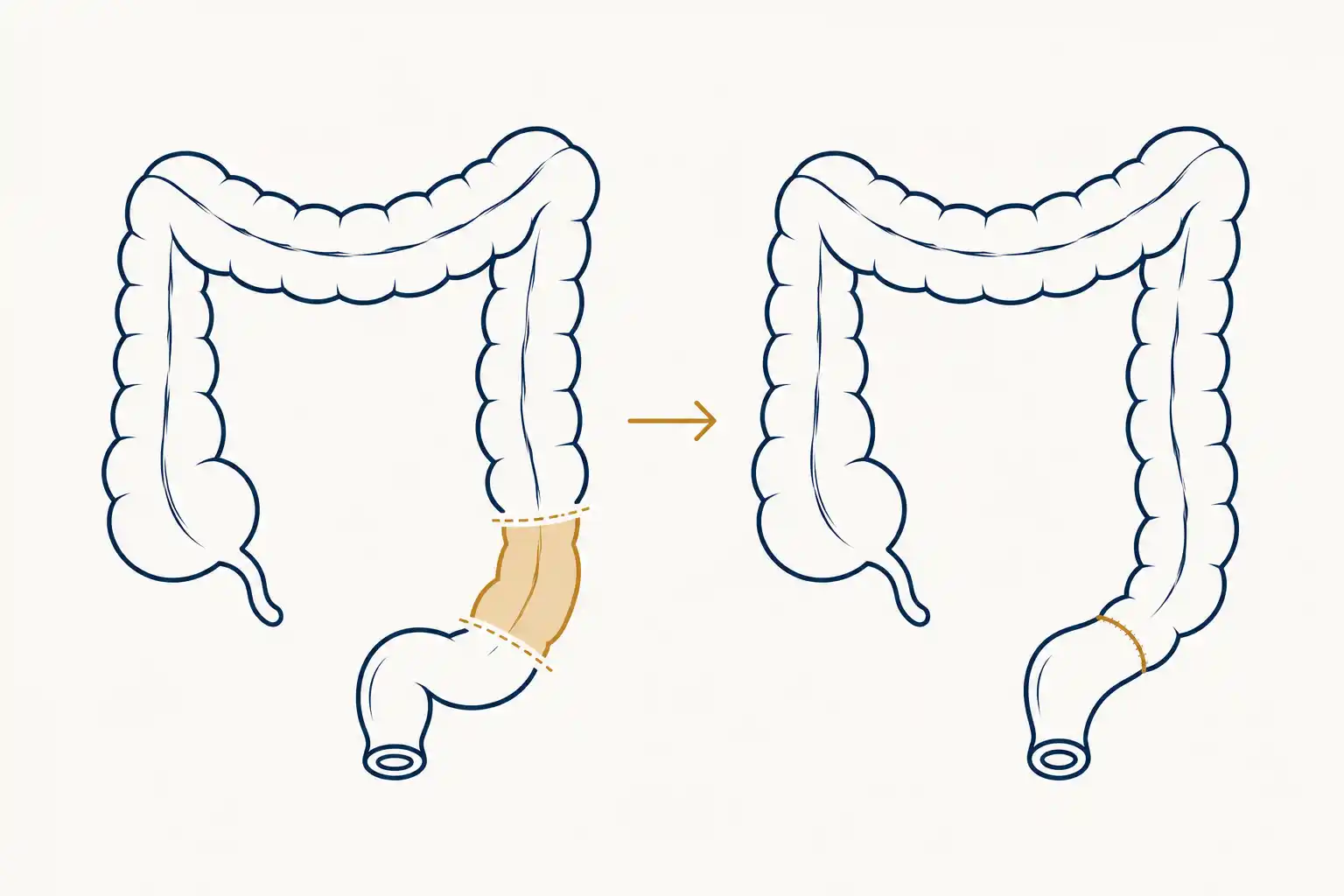
The sphincter muscles at the end of the rectum control when you pass stool. Sphincter-saving surgery removes the rectal cancer while keeping these muscles, so that in suitable patients the bowel is rejoined and you pass stool the natural way, without a permanent colostomy bag. Dr. Venkatachala K uses sphincter-saving and organ-conservation techniques wherever it is possible.
A temporary stoma is sometimes made for a few weeks or months to let the new join heal, and it is closed later. Not every rectal cancer allows the sphincter to be saved. It depends on how low the tumour is, how close it is to the sphincter, the stage, and how the cancer responds to treatment given before surgery.
Complete removal of the cancer always comes first. The plan is made together with you after a full assessment.
Dr. Venkatachala K is allied with hospitals equipped with advanced laparoscopy sets and robotic surgery set-ups, enabling minimally invasive options for colorectal cancer surgery. Not every case is suitable, and your surgeon advises which approach is right for you.
The surgeon works through several small cuts using a camera and long instruments, instead of one large incision.
The surgeon controls robotic arms from a console, with a magnified 3D view and precise instrument movement, which helps in the narrow space of the pelvis.
Compared with open surgery, minimally invasive surgery usually means smaller scars, less pain, and a shorter hospital stay and quicker recovery for suitable patients.
From diagnosis to long-term follow-up, each step is explained in plain language, and you are part of every decision.
The cost of colorectal cancer treatment depends on the stage of the disease, the type of surgery (open, laparoscopic or robotic), the hospital where surgery is performed, the length of stay, whether a stoma is needed, and whether chemotherapy or radiotherapy is required. There is no single price, and a fair estimate is only possible after your diagnosis and staging are clear.
Surabhi Oncology accepts most health insurance plans, and concessional rates are available where needed. When you book, share your insurer and policy details so the team can confirm what applies to you. You can also read more answers on our FAQ page or hear from other patients in patient stories.
#1133/F, Service Road, Attiguppe Metro Station, RPC Layout, Vijayanagar 2nd Stage, Bengaluru 560040
Colorectal cancer is cancer of the colon (large intestine) or the rectum, the last part of the bowel before the anus. Most colorectal cancers begin as small growths called polyps that slowly turn cancerous over several years. Finding and removing polyps early can prevent cancer from developing.
Colorectal cancer is the umbrella term for cancers of the colon and the rectum. Colon cancer refers to the colon only, and rectal cancer to the rectum only. They share many features, but treatment differs, especially surgery for rectal cancer, where protecting the sphincter muscles matters.
Common signs are blood in the stool or bleeding from the back passage, a change in bowel habit lasting more than a few weeks, a feeling of incomplete emptying, persistent abdominal pain or bloating, unexplained weight loss, and tiredness from anaemia. Bleeding is often blamed on piles, but if it persists it should be examined.
Not always. Sphincter-saving surgery aims to remove the cancer while keeping the sphincter muscles, so the bowel can be rejoined and you pass stool the natural way. A temporary stoma is sometimes made while the join heals. A permanent stoma is needed only when the cancer involves the sphincter and it cannot be saved safely. Dr. Venkatachala K uses sphincter-saving techniques wherever possible.
Surgery to remove the affected part of the colon and nearby lymph nodes is the main treatment. Chemotherapy may be added after surgery, depending on the stage and the findings in the removed tissue. In advanced disease, chemotherapy, targeted therapy or immunotherapy play a larger role. The plan is made after full staging.
Often, yes, especially when found early. Early-stage cancers are frequently cured with surgery alone, and many stage 3 cancers are cured with surgery followed by chemotherapy. Even in stage 4, treatment can control the disease for long periods. Outcomes depend on the stage, the tumour and your general health.
Both are minimally invasive and use small cuts instead of one large incision. In laparoscopic surgery the surgeon holds long instruments and works from a camera view. In robotic surgery the surgeon controls robotic arms from a console, with a magnified 3D view, which can help in the narrow space of the pelvis. Dr. Venkatachala K is allied with hospitals equipped for both, and advises which approach suits you.
A colonoscopy lets the doctor see inside the colon and rectum and take a biopsy, which confirms the diagnosis. CT scans, and MRI of the pelvis for rectal cancer, show the size of the tumour and whether it has spread. Blood tests, including the CEA marker, help with staging and follow-up.
The cost depends on the stage, the type of surgery (open, laparoscopic or robotic), the hospital where surgery is performed, the length of stay, whether a stoma is needed, and whether chemotherapy or radiotherapy is required. Surabhi Oncology accepts most health insurance plans and offers concessional rates where needed. Call +91 98456 71017 for an estimate after your consultation.
Yes, and it is a sensible step after a new diagnosis. Bring your colonoscopy and biopsy reports, scans and any treatment plan you have been given. Dr. Venkatachala K will review them, explain your options in plain language and discuss whether minimally invasive or sphincter-saving surgery is possible.
Every colorectal cancer case is different. Book a consultation to understand your stage, options, and the best path forward.