Limb-sparing surgery for soft-tissue and bone sarcoma, preserving mobility and quality of life.

Sarcoma treatment at Surabhi Oncology is led by Dr. Venkatachala K, a surgical oncologist with 25+ years of experience and 25,000+ surgeries. Sarcoma of the soft tissue or bone can often be treated without resorting to amputation. Dr. Venkatachala K follows organ-conservation protocols for limb sarcomas, prioritizing limb-sparing surgery to preserve mobility and quality of life without compromising cancer outcomes.
Recovery is planned from the start. Surgery, physiotherapy and functional rehabilitation are coordinated as one plan, so you can get back to walking, working and daily life as fully as possible. The clinic is at Sharavathi Hospital, next to Attiguppe Metro Station in Vijayanagar, Bengaluru.
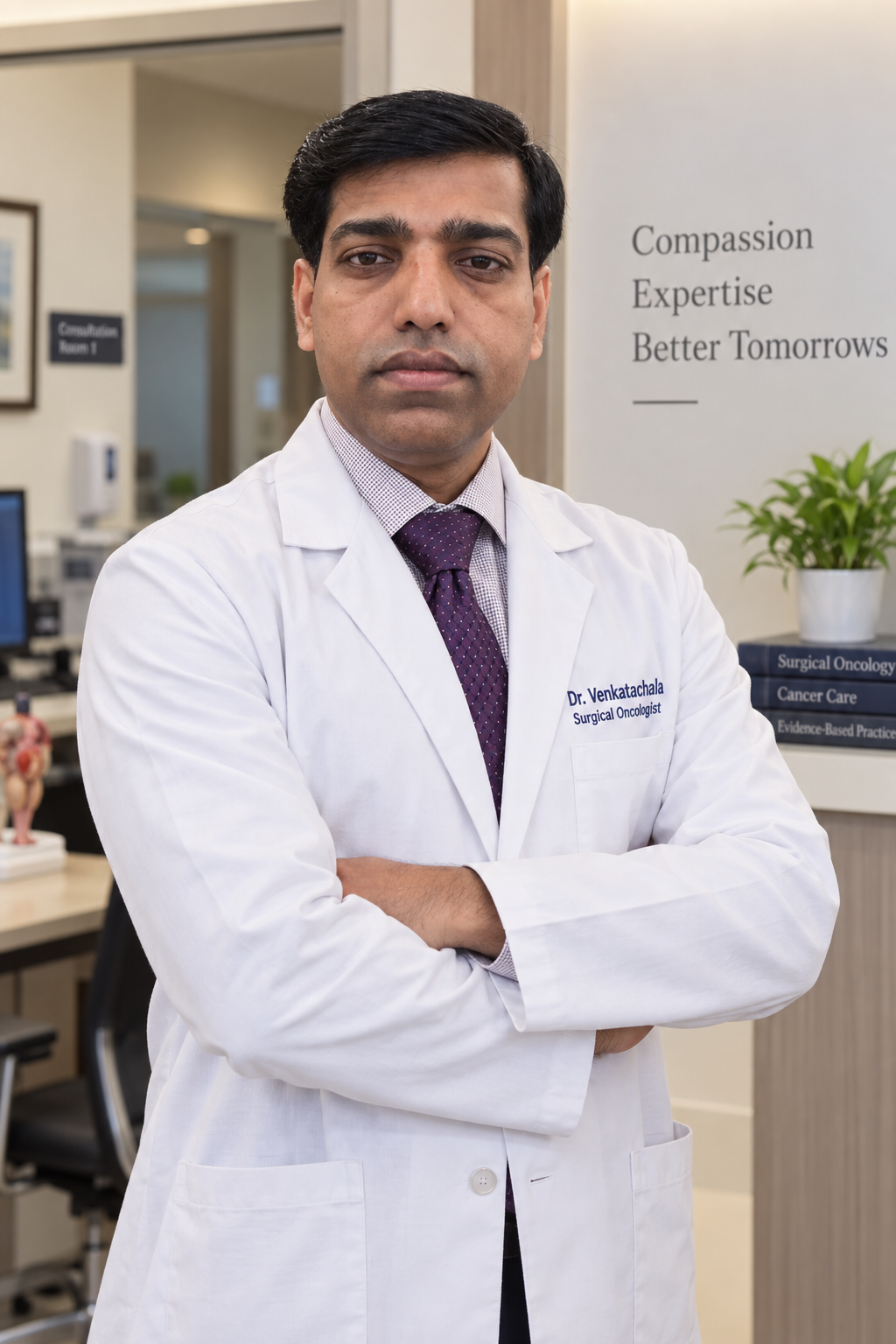
MBBS, MS, MCh, FMAS, 25+ years of surgical oncology experience, 25,000+ surgeries performed.
View Full Profile →Sarcoma is a group of cancers that begin in the connective tissues that support and move the body. It can start in soft tissue or in bone. Sarcomas are much rarer than cancers such as breast or colon cancer, and there are more than 70 different types, so they need specialist assessment and careful planning. Most occur in the arms and legs, but they can also develop in the trunk and abdomen. Most have no clear cause, though some are linked to earlier radiotherapy, certain inherited conditions or long-standing limb swelling.
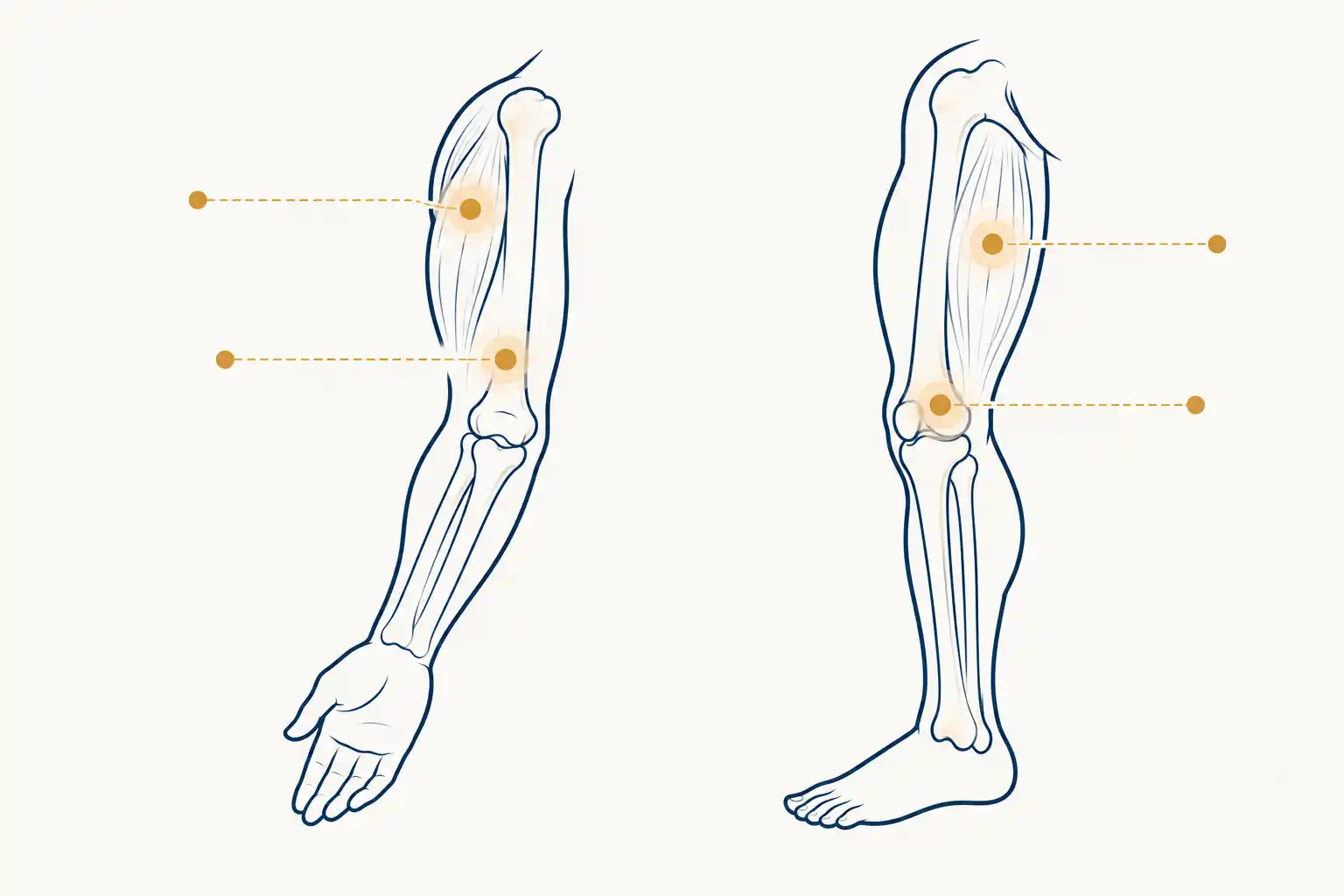
The type of sarcoma affects how it behaves and how it is treated. The exact type is confirmed only by a biopsy reviewed by a pathologist.
| Type | Where it starts | Good to know |
|---|---|---|
| Osteosarcoma | Bone, often around the knee or upper arm | The most common bone sarcoma. It often affects children, teenagers and young adults. |
| Ewing sarcoma | Bone or soft tissue | Occurs mostly in children and young adults, and usually needs chemotherapy as well as surgery or radiotherapy. |
| Chondrosarcoma | Cartilage cells in bone | More common in adults and often slow-growing. Surgery is the main treatment. |
| Liposarcoma | Fat tissue, often in the thigh or abdomen | One of the most common soft-tissue sarcomas in adults. |
| Leiomyosarcoma | Smooth muscle, in the limbs, abdomen or uterus | Mostly affects adults. Complete surgical removal is the key to treatment. |
| Synovial sarcoma | Soft tissue near joints, often around the knee | Often affects teenagers and younger adults. |
| Rhabdomyosarcoma | Skeletal muscle | Occurs mostly in children. |
| Undifferentiated pleomorphic sarcoma | Soft tissue, often the thigh or upper arm | A common soft-tissue sarcoma in older adults. |
This table explains common types in general. Dr. Venkatachala K's approach is limb-sparing surgery for limb sarcomas, and your plan is set after a full assessment.
Most lumps are harmless, such as fatty lumps (lipomas) or cysts. But a lump that is growing, deep or painful should always be checked, because sarcomas can look and feel like harmless lumps in the early stage.
Do not have a suspicious lump removed without an MRI and a planned biopsy first. Removing a sarcoma without a plan, sometimes called an unplanned or "whoops" operation, can leave cancer cells behind and make limb-sparing surgery harder.
If a lump has already been removed and the report shows sarcoma, see a sarcoma specialist promptly. Bring the reports and any scans with you.
Diagnosis answers three questions: is it cancer, what type and grade is it, and can the limb be saved. Everything is planned before the first operation, so that the plan protects both the cancer outcome and the function of the limb.
An MRI shows a soft-tissue tumour and how close it is to nerves, vessels and joints. X-rays and CT scans show bone tumours. A chest CT checks the lungs.
A small tissue sample confirms the type and grade. The surgical team plans where the needle goes, so its track can be removed later with the tumour.
The size, depth, grade and spread decide the stage. This guides whether radiotherapy or chemotherapy is added, and how surgery is done.
Sarcoma is treated with surgery, often combined with radiotherapy, chemotherapy or targeted therapy, depending on the type, grade and stage. Surgery to remove the tumour completely is the central treatment for most limb sarcomas. Dr. Venkatachala K performs the surgery, and surgery, physiotherapy and functional rehabilitation are coordinated as one plan.
Removes the tumour with a margin of healthy tissue. The aim is a complete removal while saving the limb wherever it is safe to do so.
Uses high-energy rays to lower the chance of the cancer returning. In many soft-tissue sarcomas of the limb it is given before or after surgery.
Drugs that treat cancer cells throughout the body. It is central to the treatment of some sarcomas, such as osteosarcoma and Ewing sarcoma, and is used selectively in others.
Medicines that act on specific features of certain sarcoma types, used in selected patients based on tumour testing.
Exercises and functional training to restore movement, strength and independence, started early and continued through recovery.
Regular examinations, imaging of the limb and chest scans to catch any return early.
Limb-sparing surgery, also called limb-salvage surgery, removes the tumour with a margin of healthy tissue while keeping the arm or leg working. Amputation was once the standard for limb sarcomas. Today, with modern imaging, careful planning and rebuilding techniques, sarcoma of the soft tissue or bone can often be treated without it. Dr. Venkatachala K follows organ-conservation protocols for limb sarcomas, prioritizing limb-sparing surgery as a first-line approach, without compromising cancer outcomes.
Limb-sparing is often possible when the tumour can be removed completely with clear margins, the main nerves and blood vessels can be saved or safely rebuilt, and the remaining limb will work well. Amputation may still be needed when the only way to remove the cancer completely is to remove the limb, or when the limb would be painful and unusable. Complete removal of the cancer always comes first, and the plan is made together with you.
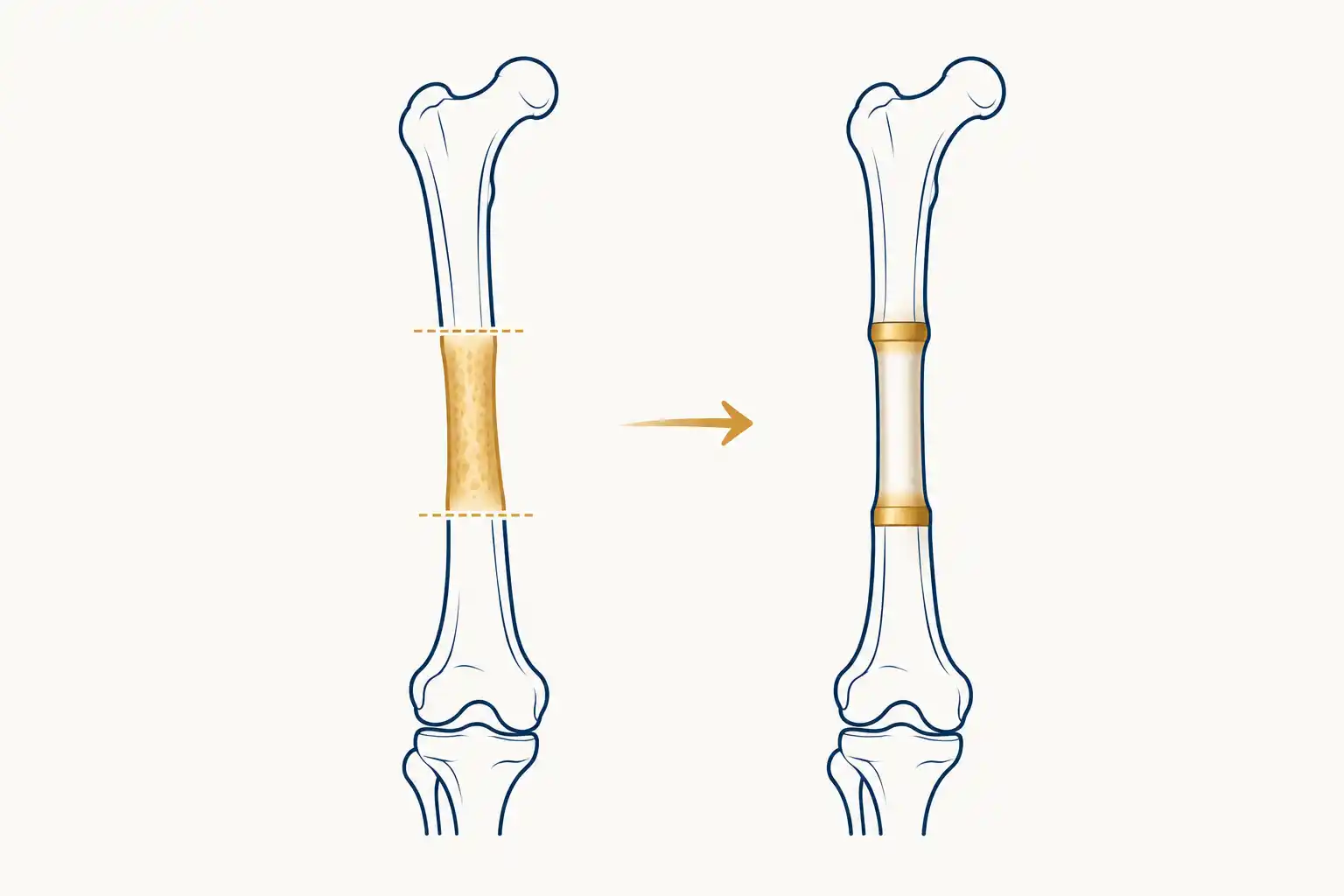
Saving the limb is only half the goal. The other half is making sure it works. At Surabhi Oncology, surgery, physiotherapy and functional rehabilitation are coordinated as one plan, so mobility and quality of life are prioritized alongside survival, wherever it is safe to do so.
Gentle movement starts early after surgery to reduce stiffness and swelling and to protect the muscles that were saved.
Training to rebuild walking, balance, grip and everyday activities, with walking aids or supports where they help.
Ongoing exercises, regular reviews and follow-up imaging to protect the limb and to catch any change early.
From the first consultation to long-term follow-up, each step is explained in plain language, and you are part of every decision.
The cost of sarcoma treatment depends on the type and size of the sarcoma, whether the bone needs to be rebuilt with an implant or graft, the length of hospital stay, whether chemotherapy or radiotherapy is needed, and the rehabilitation that follows. There is no single price, and a fair estimate is only possible after your diagnosis and staging are clear.
Surabhi Oncology accepts most health insurance plans, and concessional rates are available where needed. When you book, share your insurer and policy details so the team can confirm what applies to you. You can also read more answers on our FAQ page or hear from other patients in patient stories.
#1133/F, Service Road, Attiguppe Metro Station, RPC Layout, Vijayanagar 2nd Stage, Bengaluru 560040
Sarcoma is a group of cancers that begin in the connective tissues of the body, either in soft tissue such as muscle, fat, nerves and blood vessels, or in bone. Sarcomas are rare, and there are more than 70 different types, so they need specialist assessment and careful planning.
A soft-tissue sarcoma is usually a painless lump that slowly grows, often deep under the skin in the thigh, arm or trunk. The skin over it often looks normal, so it cannot be diagnosed by appearance. A lump that is growing, deep, painful or larger than about 5 cm (the size of a golf ball) needs an MRI and a biopsy.
Many sarcomas can be cured, especially when they are found early, have not spread, and are removed completely with clear margins. The outlook depends on the type, grade, size, location and spread, and some types also respond well to chemotherapy. Advanced sarcoma is harder to cure, but it can often be controlled and treated.
Sarcoma can be serious because it is often found late and some types grow quickly, but many people are cured and treatment has improved. The biggest difference comes from early diagnosis and from treatment planned by a specialist team before any surgery is done.
Often not. Sarcoma of the soft tissue or bone can often be treated without amputation. Dr. Venkatachala K follows organ-conservation protocols for limb sarcomas and prioritises limb-sparing surgery as a first-line approach, without compromising cancer outcomes. Amputation is considered only when it is the only way to remove the cancer safely, or when the limb would not work.
No. A lump should never be removed without an MRI and a planned biopsy first. Removing a sarcoma without a plan can leave cancer cells behind and make limb-sparing surgery harder. If a lump has already been removed and the report shows sarcoma, see a sarcoma specialist promptly.
Diagnosis starts with an MRI of the lump, and X-rays or a CT scan for bone tumours. A biopsy, planned by the surgical team so that the needle track can be removed later, confirms the type and grade. A CT scan of the chest checks the lungs, where sarcomas most often spread.
Limb-salvage (limb-sparing) surgery removes the tumour with a margin of healthy tissue while keeping the arm or leg working. In bone sarcoma, the affected section of bone may be rebuilt with a metal implant or a bone graft. In soft-tissue sarcoma, nerves, vessels and muscles are protected wherever it is safe to do so.
The cost depends on the type and size of the sarcoma, whether the bone needs to be rebuilt with an implant or graft, the length of hospital stay, whether chemotherapy or radiotherapy is needed, and rehabilitation. Surabhi Oncology accepts most health insurance plans and offers concessional rates where needed. Call +91 98456 71017 for an estimate after your consultation.
Yes, and it is especially wise for a rare cancer like sarcoma. Bring your MRI or scan reports, biopsy report and any treatment plan you have been given. Dr. Venkatachala K will review them, explain your options in plain language and discuss whether limb-sparing surgery is possible.
Every sarcoma case is different. Book a consultation to understand your stage, options, and the best path forward.