Nerve-sparing radical hysterectomy, cytoreductive surgery, and HIPEC for advanced gynecologic cancers.

Gynecologic cancer treatment at Surabhi Oncology is led by Dr. Venkatachala K, a surgical oncologist with 25+ years of experience and 25,000+ surgeries. He performs gynec-oncological surgeries using advanced laparoscopic and robotic techniques where appropriate, along with complex procedures for advanced disease. Care is balanced between thorough cancer clearance and nerve-sparing, organ-conservation principles wherever possible.
Gynecological (gynaecological) cancers include cancers of the cervix, ovary, uterus, vulva and vagina. Surgery, chemotherapy and radiation are coordinated as one treatment plan. The clinic is at Sharavathi Hospital, next to Attiguppe Metro Station in Vijayanagar, Bengaluru.

MBBS, MS, MCh, FMAS, 25+ years of surgical oncology experience, 25,000+ surgeries performed.
View Full Profile →Gynecologic cancers, also called gynaecological cancers, are cancers of the female reproductive organs. Each type behaves differently, has its own warning signs and needs its own treatment plan, which is why an accurate diagnosis comes first.
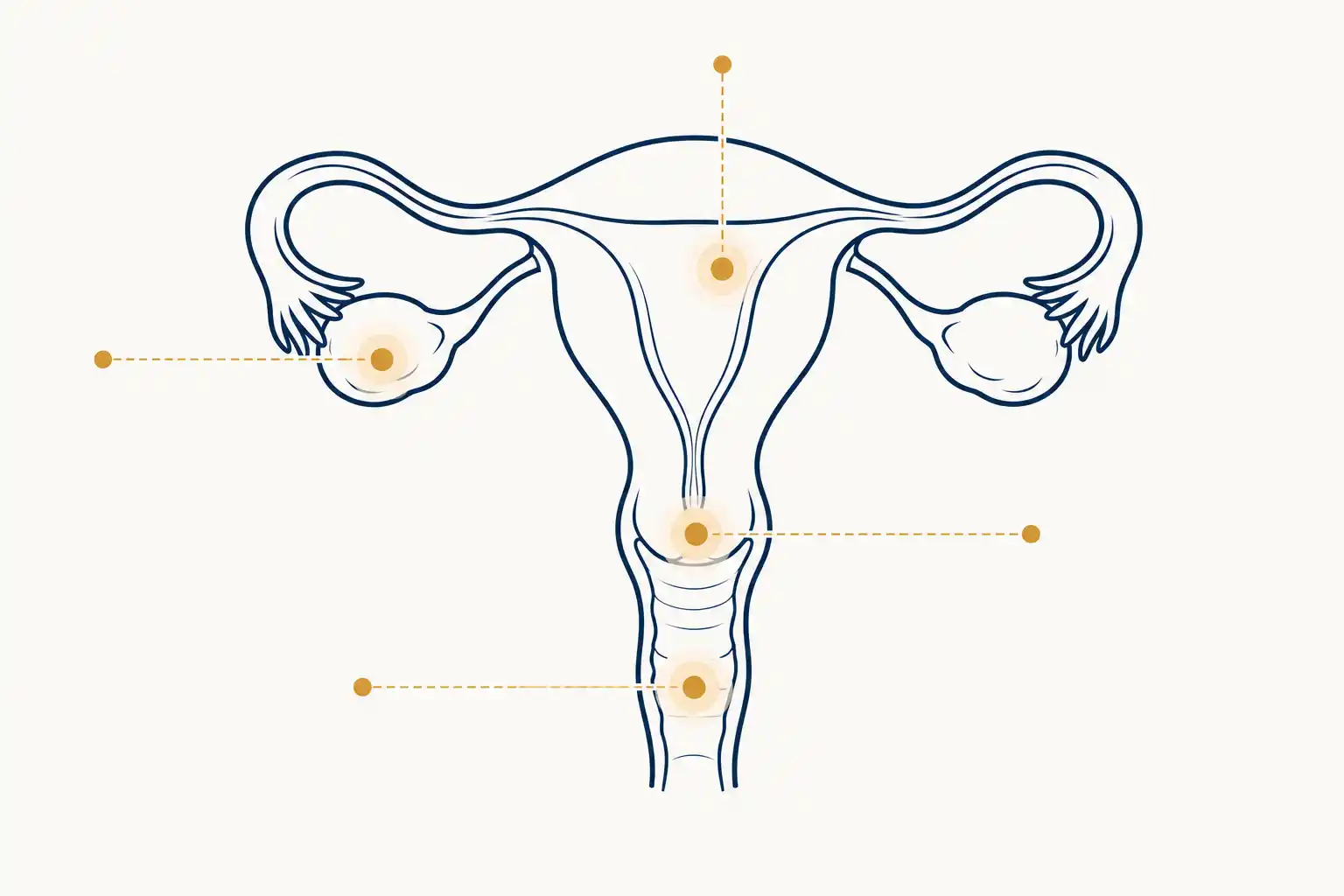
Many gynecological cancers give early warning signs, but they are easily put down to periods, acidity or age. Knowing the signs, and acting when they persist, gives the best chance of gentler treatment.
Persistent bloating is often mistaken for gas or acidity. Any of these signs lasting more than a few weeks should be examined by a specialist.
Diagnosis answers three questions: is it cancer, how far has it spread, and which treatment will clear it while protecting function. The answers give the stage, and the stage guides the plan.
A pelvic examination and, for the cervix, a Pap smear or HPV test with colposcopy, which looks closely at the cervix with a magnifying instrument.
Ultrasound, CT, MRI or PET-CT show the size of a growth and whether it has spread to lymph nodes or the abdominal lining.
A biopsy confirms cancer and its type. Blood markers such as CA-125 add information, but are never used alone to make a diagnosis.
| Stage | What it means | Usual treatment direction |
|---|---|---|
| Stage I | Cancer is confined to the organ where it started, such as the cervix, ovary or uterus | Surgery, with organ-conservation options in selected cases |
| Stage II | Cancer has spread to nearby tissues in the pelvis | Surgery and/or radiation with chemotherapy, depending on the cancer type |
| Stage III | Cancer has spread to lymph nodes or across the lining of the abdomen | Cytoreductive surgery with chemotherapy for ovarian cancer, with HIPEC in selected patients; chemoradiation for cervical cancer |
| Stage IV | Cancer has spread to distant organs | Systemic therapy is the mainstay; surgery is considered case by case |
This table is a general guide only. Staging differs by cancer type, and every case is different, so your plan is set after a full assessment.
Gynecologic cancers are treated with surgery, chemotherapy, radiotherapy, targeted therapy, or a combination. The right plan depends on the cancer type, stage, your age, and whether you wish to preserve fertility. Surgery is central to most gynecologic cancers, and at Surabhi Oncology surgery, chemotherapy and radiation are coordinated as one plan.
Removes the cancer and checks the lymph nodes. It ranges from fertility-conserving procedures to radical hysterectomy and complex cytoreductive surgery for advanced disease.
Uses high-energy rays to destroy cancer cells. It is a main treatment for many cervical cancers and is used after surgery in some uterine and vulvar cancers.
Drugs that treat cancer cells throughout the body. It is a key part of ovarian cancer treatment, given before or after surgery, and is combined with radiation in cervical cancer.
Medicines that act on specific features of the cancer, such as PARP inhibitors in some ovarian cancers, or hormone therapy in some uterine cancers, used in selected patients.
Nutrition guidance, pain relief, emotional support and counselling to help you and your family through treatment and recovery.
Regular reviews, examinations, blood tests and scans to catch any change early and support your recovery.
A radical hysterectomy is a standard operation for early cervical cancer. It removes the uterus, the cervix, the tissue around the cervix and the upper vagina, usually with the pelvic lymph nodes. Fine nerves that control the bladder, bowel and sexual function run through this tissue, and a conventional operation can injure them. A nerve-sparing radical hysterectomy identifies and protects these nerves while still removing the cancer completely.
Dr. Venkatachala K performs nerve-sparing radical hysterectomy, balancing thorough cancer clearance with nerve-sparing principles wherever possible. Not every patient is suitable. It depends on the stage and size of the cancer and how close it is to the nerves, and the plan is made after a full assessment.
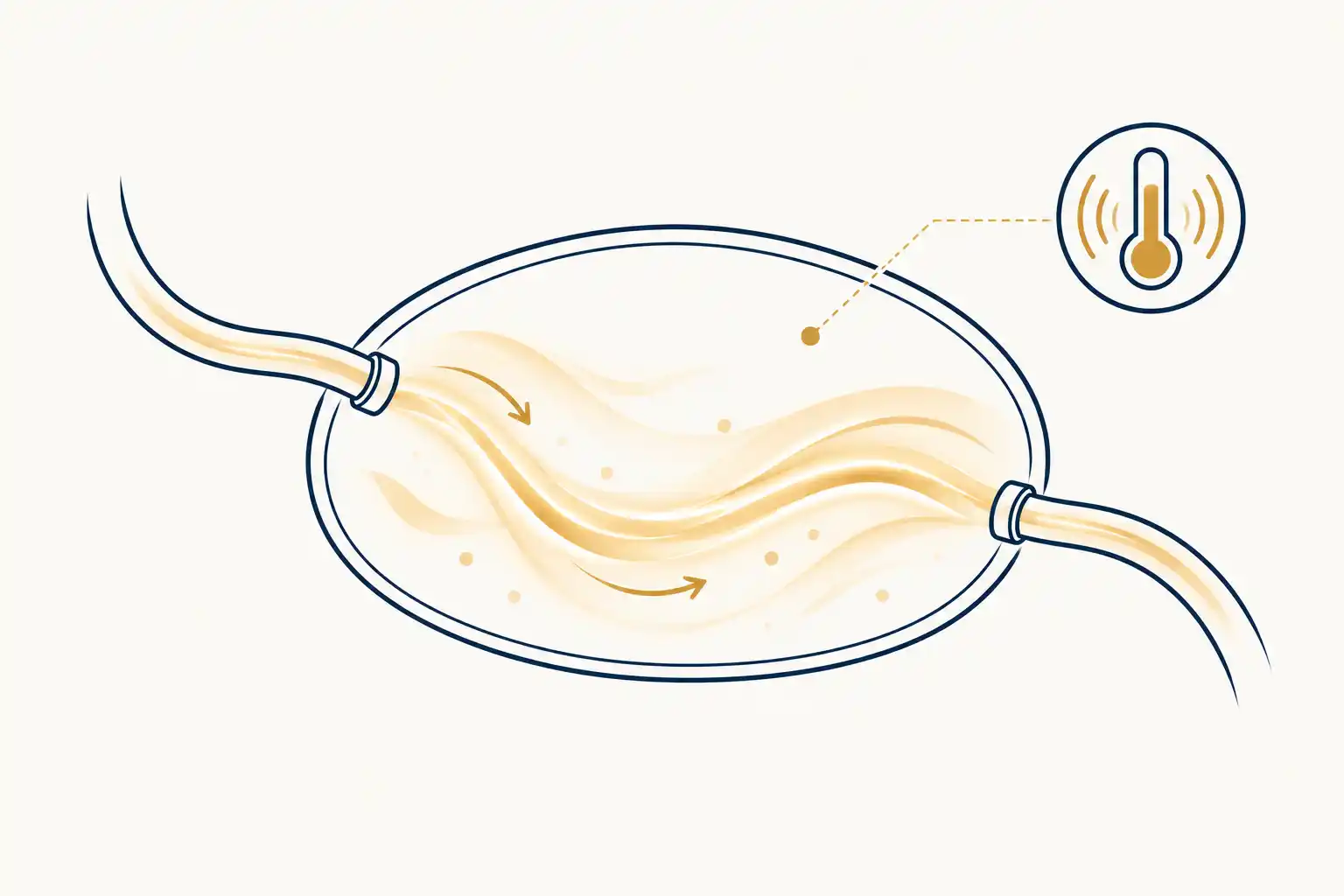
In advanced ovarian and some other gynecologic cancers, the cancer spreads across the lining of the abdomen (the peritoneum) as many small deposits. Cytoreductive surgery, also called debulking, removes all visible disease from the abdomen and pelvis as completely as possible. HIPEC (Hyperthermic Intraperitoneal Chemotherapy) then washes the abdominal cavity with heated chemotherapy, reaching cancer cells that scans and the eye cannot see, while limiting the exposure of the rest of the body.
These are complex, long operations that need surgical experience and careful selection. Dr. Venkatachala K performs cytoreductive surgery and HIPEC for advanced gynecologic cancers, and advises whether they are suitable for you after a full assessment.
Dr. Venkatachala K performs gynec-oncological surgeries using advanced laparoscopic and robotic techniques where appropriate. The aim is to remove the cancer thoroughly while protecting as much normal function as possible.
Surgery through several small cuts using a camera and long instruments, instead of one large incision. It usually means smaller scars, less pain and quicker recovery for suitable patients.
The surgeon controls robotic arms from a console with a magnified 3D view and precise instrument movement, which helps in the deep, narrow space of the pelvis.
Where appropriate, protocols aim to keep healthy organs. In selected early-stage patients this can mean keeping the uterus and a healthy ovary, which may preserve hormones and the chance of pregnancy.
Not every case is suitable for a minimally invasive or organ-conserving approach. Your surgeon advises what is right for you after a full assessment.
From diagnosis to long-term follow-up, each step is explained in plain language, and you are part of every decision.
The cost of gynecologic cancer treatment depends on the type and stage of the cancer, the type of surgery (open, laparoscopic or robotic), whether cytoreductive surgery and HIPEC are needed, the length of hospital stay, and whether chemotherapy or radiotherapy is required. There is no single price, and a fair estimate is only possible after your diagnosis and staging are clear.
Surabhi Oncology accepts most health insurance plans, and concessional rates are available where needed. When you book, share your insurer and policy details so the team can confirm what applies to you. You can also read more answers on our FAQ page or hear from other patients in patient stories.
#1133/F, Service Road, Attiguppe Metro Station, RPC Layout, Vijayanagar 2nd Stage, Bengaluru 560040
Gynecologic (also spelt gynaecological) cancers are cancers of the female reproductive organs. They include cancers of the cervix, ovary, uterus (endometrium), vulva and vagina. Each type has its own causes, warning signs and treatment plan.
Early-stage ovarian cancer is often curable with surgery, with or without chemotherapy. Advanced ovarian cancer is harder to cure, but many patients respond well to a combination of complex cytoreductive surgery and chemotherapy, and the disease can be controlled for long periods. Outcomes depend on the stage, the cancer type and how completely the disease can be removed.
Only in selected early-stage cases where the cancer is confined to one ovary. Even then, careful staging surgery is usually needed, and chemotherapy may be advised. Advanced ovarian cancer needs cytoreductive surgery to remove all visible disease from the abdomen, together with chemotherapy.
Common signs are abnormal vaginal bleeding (between periods, after sex or after menopause), unusual or foul-smelling discharge, persistent pelvic or lower abdominal pain, and bloating or a swollen abdomen that does not settle. Itching, a sore or a lump in the vulva can also be a sign. Any of these that lasts more than a few weeks should be examined.
It is an operation for cervical cancer that removes the uterus, cervix, the tissue around the cervix and the upper vagina, while identifying and preserving the fine nerves that control bladder, bowel and sexual function. The cancer is removed just as completely, but the aim is a better quality of life afterwards. Dr. Venkatachala K performs nerve-sparing radical hysterectomy where it is suitable.
Cytoreductive surgery removes all visible cancer from the abdomen and pelvis as completely as possible. HIPEC (Hyperthermic Intraperitoneal Chemotherapy) then washes the abdominal cavity with heated chemotherapy, reaching cancer cells that cannot be seen. They are used together for advanced disease in selected patients, and Dr. Venkatachala K performs both.
Sometimes. In selected early-stage ovarian cancers, organ-conservation protocols where appropriate may allow the uterus and a healthy ovary to be kept. This is not possible after a radical hysterectomy or extensive treatment. If you wish to have children, tell your surgeon before any treatment starts so that the options can be discussed.
Diagnosis starts with a pelvic examination, and for cervical cancer a Pap smear or HPV test and colposcopy. Ultrasound, CT or MRI show the size and spread of a growth, and a biopsy confirms cancer. An ultrasound can show a suspicious ovarian mass but cannot confirm cancer on its own. Blood markers such as CA-125 add information but are never used alone.
The cost depends on the type and stage of the cancer, the type of surgery (open, laparoscopic or robotic), whether cytoreductive surgery and HIPEC are needed, the length of hospital stay, and whether chemotherapy or radiotherapy is required. Surabhi Oncology accepts most health insurance plans and offers concessional rates where needed. Call +91 98456 71017 for an estimate after your consultation.
Yes, and it is a sensible step after a new diagnosis. Bring your biopsy report, scans and any treatment plan you have been given. Dr. Venkatachala K will review them, explain your options in plain language and discuss whether nerve-sparing or organ-conservation surgery is possible.
Every gynecologic cancer case is different. Book a consultation to understand your stage, options, and the best path forward.